EV Charger Installation Cost in Kleinburg
Budget a Level 2 EV charger at a Kleinburg home and the figure usually settles between $1,200 and $2,800, with the permit and ESA inspection already inside that price. What slides it within the band is the distance the feed travels to the garage and the concealed, estate-grade finish these properties expect.
Published
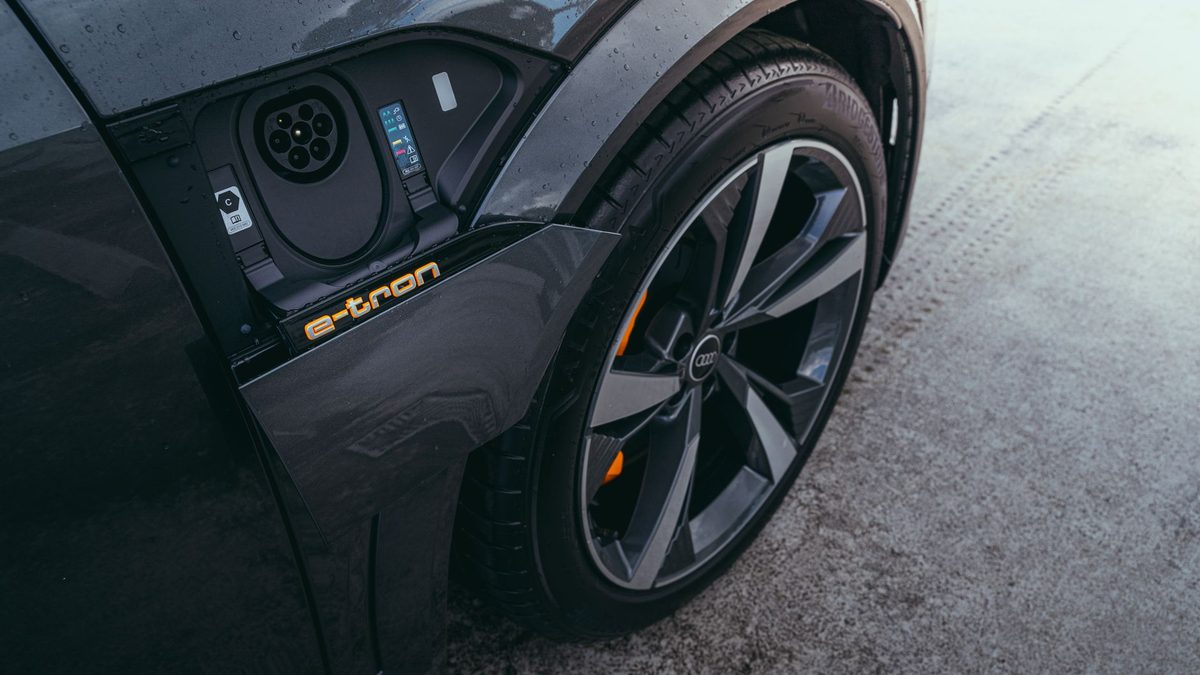
In a Kleinburg garage a clean Level 2 installation usually lands between $1,200 and $2,800, with the electrical permit and the ESA inspection already folded into that number. Kleinburg EV Charger Pros finds most jobs settle near the middle of the band. What moves it is the distance from your electrical panel to where the cars live, the spare room in your service, and the level of finish that a showpiece garage in this village quietly demands. Here is where each dollar actually goes, so a quote reads plainly before you commit.
This is a village of large luxury homes, and the cost conversation here starts in a different place than it does on a tight city lot. The charger shares a wall with a Tesla, a Porsche, or an Audi that the owner keeps spotless, so the finish is not an optional extra. It is the job.
Finish is the brief, not an upsell
On these properties the install is judged on how little of it you notice. Threading the feed inside the wall, matching conduit to the surface, and hanging the unit dead level are the work itself, not add-ons priced at the end. A budget install with cable stapled across the drywall always quotes lower and always looks it. We price the concealed version because it is the only one that suits the room.
What shapes the Kleinburg figure
| Driver of the price | Typical effect on your quote |
|---|---|
| Panel in the garage, charger a few steps away, feed hidden | $1,200 to $1,600 |
| Typical Kleinburg home, 10 to 25 metre concealed run | $1,600 to $2,300 |
| Estate lot, long route or detached coach house | $2,300 to $3,200 |
| Service is tight and needs a panel upgrade first | add $1,800 to $3,800 |
Where an estate property adds cost
The homes here carry price drivers a standard lot never sees. The usual ones:
- Route length and concealment. A large garage or a detached coach house means more cable, and threading a hidden path through finished walls is slow, careful labour.
- Service headroom. Electric heat, a pool, and a big range already draw hard on the panel, so a load calculation can point toward a panel upgrade or load management.
- The charger you choose. A Tesla Wall Connector, a universal unit, or a plug-in setup each carry slightly different labour.
- A second vehicle. Planning the circuit for two cars while the wall is open is far cheaper than cutting back into it later.
Where the number stays low
The least expensive installs are the simple ones: panel in the garage, charger a few feet away, a modern 200-amp service. A smart charger with load management can also sidestep a service upgrade by sharing your existing capacity, which often saves thousands against a full panel job.
What the single Kleinburg figure covers
A complete Level 2 installation here arrives as one price, and it is worth knowing what sits inside it. The ESA inspection that signs off the work and the electrical permit that authorises it are both folded in from the start. So is the labour that earns its keep on these properties: mounting and levelling the unit, and the concealed cable run from the panel, ending at the new 240-volt circuit and its breaker. Where quotes diverge is the charger hardware itself. Some Kleinburg owners have already bought their Wall Connector, so we price install-only; others want us to supply the unit, in which case it joins the number. Confirm which of the two a quote reflects and you are comparing fairly.
Permit, ESA, and what that protects
An electrical permit and an ESA inspection are required for a hard-wired charger or a new 240-volt circuit in Kleinburg. EV charger installation should be completed by an ESA-licensed electrical contractor, and the permit and inspection belong inside the fixed price rather than surfacing as a later surprise. A documented, inspected install also stands up at resale and with insurers, which carries weight on a higher-value home.
Rebates and the paperwork to keep
Incentives for home EV charging change over time and arrive from a mix of sources: federal programs, the province, and occasionally a manufacturer or utility offer. Rather than quote figures that may already be stale, look up the current federal and Ontario programs before you buy, and ask your charger manufacturer whether any rebate applies to their unit. Hold on to the paid invoice and the ESA inspection record, since claims almost always ask for proof of a permitted, inspected install. That is one more reason to use a licensed contractor rather than an informal job that leaves you without the paper trail.
Reading two estimates side by side
When two estimates land in your inbox, look past the total. A proper quote names the breaker size and wire gauge, states whether conduit covers the exposed runs, confirms the permit and ESA inspection, and says whether the charger unit itself is supplied. A lower number that omits the permit or skimps on finish is not the better deal once the work is sitting in your garage. If you are weighing whether your panel can even carry the load, our Level 2 installation guide walks through that side.
What to send before requesting a quote
A firm price comes back faster with a few details:
- Your EV make and model, or the charger you intend to use
- A photo of your electrical panel with the door open
- A photo of the garage wall and parking spot where the charger will mount
- Rough distance from the panel to that spot
With a look at your panel and the route to the parking spot, a firm Kleinburg price comes back quickly. Pass those photos and details to EV charger installers in Kleinburg through the quote form and we will return one fixed number, permit and ESA inspection inside it, and a concealed finish suited to the garage it goes in.
Frequently asked
What should I budget for a clean Level 2 install at a Kleinburg home?+
Plan on $1,200 to $2,800 with the permit and ESA inspection inside the figure. The concealed run from your panel to the garage and the finish standard you expect are the main variables. Should a load calculation flag a tight service, a panel upgrade adds to the number, and we confirm that before any work begins.
Why is my Kleinburg quote higher than a friend's in a smaller town?+
Usually the run and the finish. Estate-scale lots in Kleinburg mean longer cable routes, often to a detached coach house, and owners here tend to want the feed hidden inside the wall rather than exposed. That concealed routing is patient labour, and it is part of what the number reflects.
If I already bought my own Wall Connector, does that lower the Kleinburg quote?+
It can. Supplying your own unit makes the quote install-only, and the hardware drops out of the number. On its own, a decent Level 2 unit runs about $400 to $1,000. Just make sure the prices you compare are both install-only or both install plus hardware, so the comparison is like for like.
Does Alectra need to be involved in the cost of my Kleinburg charger?+
Usually only if a panel or service upgrade is part of the job, since that can involve coordinating with Alectra as the local utility. A straightforward charger on an existing 200-amp service typically does not. The permit and ESA inspection are separate and should already sit inside your fixed price.
Can load management keep me off a full upgrade in an older Kleinburg home?+
Often, yes. Because a smart charger throttles while the house is busy, it can share an existing 100-amp service safely and shrink a costly upgrade into a smaller add-on. Weighing your heating, pool, and range in a load calculation tells us whether that route suits your home.